Targeted. Advanced. Non-Surgical Vein Treatment
Echosclerosis & VenaSeal® are specialized treatments used to eliminate varicose veins in specific clinical situations. Echosclerosis involves ultrasound-guided foam injections to close targeted veins, while VenaSeal uses a medical adhesive to seal the vein and redirect blood flow. These techniques are not considered first-line treatments and are applied only when clinically appropriate.
Due to higher recurrence rates with echosclerosis and the introduction of a permanent material with VenaSeal, these options are recommended only in special circumstances following a thorough medical evaluation. Treatment decisions are made carefully to ensure patient safety, effectiveness, and long-term venous health.
Procedures
15,000+
Satisfaction
About the Procedure
Both Echosclerosis & VenaSeal® address faulty veins that cause blood to pool in the legs, leading to pain, swelling, and visible varicose veins.
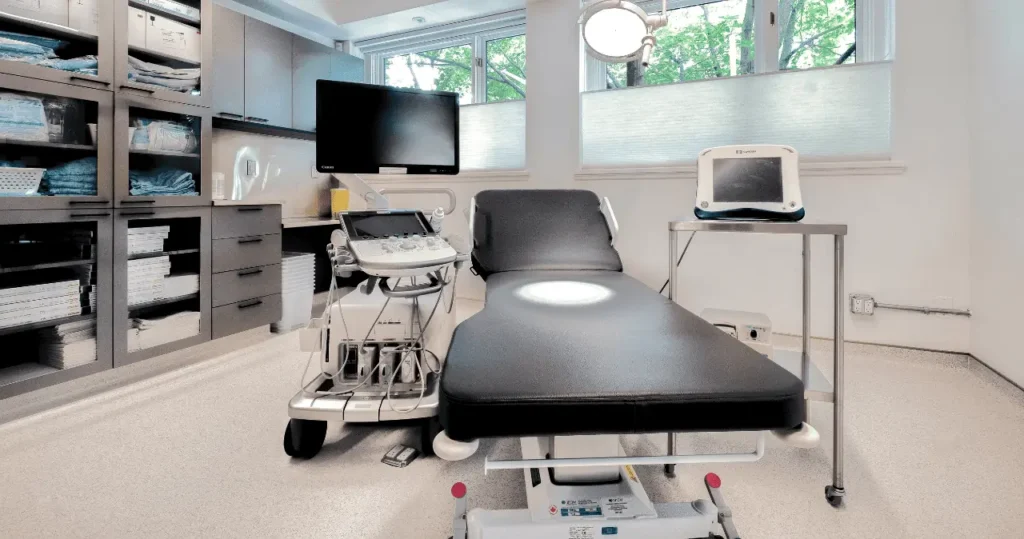
A specialized form of sclerotherapy performed under ultrasound guidance. A medical solution is injected into deeper or less visible veins that cannot be treated with standard sclerotherapy.
A non-thermal, non-tumescent procedure that uses a medical adhesive to close diseased veins. Once sealed, blood is naturally rerouted to healthy veins.
30–60 minutes
Immediate
Minimal or none
Minimally invasive
Conditions Treated with Echosclerosis & VenaSeal®
Chronic Venous Insufficiency
A condition where vein valves fail, causing blood to flow backward and pool in the legs.
Varicose Veins
Enlarged, twisted veins that may cause discomfort, swelling, heaviness, or fatigue.
Venous Reflux
Abnormal backward blood flow identified through Doppler ultrasound evaluation.
What to Expect During Your Visit
A simple, transparent journey to better health.
A thorough medical assessment is conducted, including Doppler ultrasound imaging, to identify venous reflux and determine the most appropriate treatment option.
Echosclerosis: The treatment solution is injected into the affected vein under ultrasound guidance.
VenaSeal®: A medical adhesive is delivered through a small catheter to seal the vein.
Most patients return to normal activities immediately. Compression stockings may be recommended depending on the treatment performed.
Key Benefits of Echosclerosis & VenaSeal®
Booking an Echosclerosis or VenaSeal® Treatment is Quick and Simple
To schedule your consultation or treatment, simply call your preferred clinic location.
Our team will be happy to assist you and arrange your visit promptly.
450 259-1399
514 731-7757
Frequently Asked Questions
What is the difference between Echosclerosis and VenaSeal®?
Echosclerosis uses ultrasound-guided injections, while VenaSeal® uses a medical adhesive to close the vein without heat or anesthesia.
Are these treatments painful?
Both procedures are well tolerated. Most patients experience little to no discomfort.
How long do the procedures take?
Most treatments take between 30 and 60 minutes.
Can I return to work after treatment?
Yes. Patients typically return to normal activities immediately.
Are compression stockings required?
Compression stockings may be recommended after échosclérose. They are often not required after VenaSeal®, depending on the case.
Are these treatments safe?
Yes. Both procedures are well-established and safe when performed by trained medical professionals.
Will the treated vein come back?
The treated vein is permanently closed. However, new veins may develop over time.
Is Echosclerosis or VenaSeal® covered by insurance?
Coverage varies. Medically necessary treatments may be eligible for reimbursement through private insurance plans.