How to Prevent Varicose Veins?
Keep Moving
Move your legs frequently when sitting for long periods. Avoid prolonged static positions, whether sitting or standing.
Elevate Your Legs
Get into the habit of occasionally raising your legs by placing them on a stool, footrest, or elevating them while sleeping.
Cool Therapy
Promote good blood circulation by showering your legs with cool water, massaging them lightly, and raising them.
Avoid Excess Heat
Avoid prolonged exposure to heat, such as in a spa, sauna, or extremely hot baths, which can dilate veins.
Stay Active
Avoid excess weight by engaging in physical activities such as brisk walking, swimming, and cycling.
Proper Clothing
Wear comfortable clothes and shoes that do not exert any excessive pressure on your legs or waist.
Note: The venous problems experienced by a large part of the population have characteristics that vary from person to person depending on the condition, level, extent, and location. Each problem is unique.
Compression Stockings
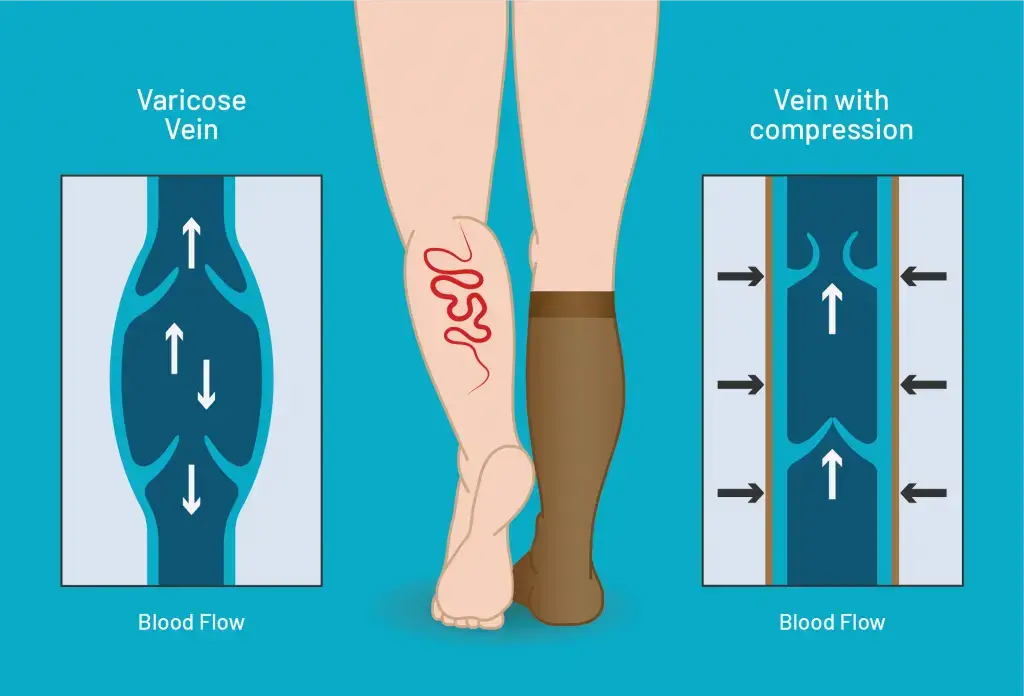
One of the most effective ways to prevent or lessen the formation of varicose veins is through the use of graduated compression stockings. They delay the formation of spider veins and relieve symptoms such as fatigue, heaviness, and inflammation.
- Decrease pressure in the superficial venous system.
- Apply stronger pressure around the ankle, guiding blood flow upwards.
- Available in various elasticities, lengths, and stylish colors.
Types of Treatments for Varicose Veins
Depending on your diagnosis, Dr. Larose will recommend the most effective and least invasive procedure for your specific condition.
Recovery: Immediate
Sclerotherapy
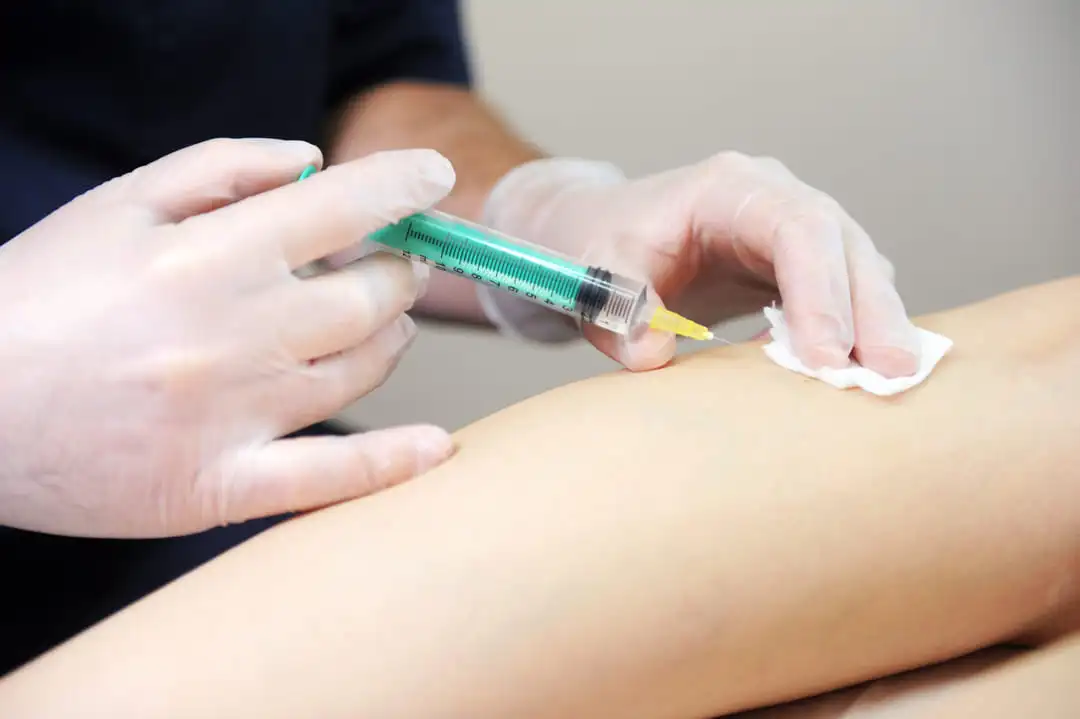
This injection technique does not require anesthesia, and is done directly at the Clinique Pierre Larose. It consists of treating the branches of the saphenous vein (superficial) by injecting a sclerosing agent (in the form of liquid or foam) into the varicose vein using a thin needle. This causes retraction and hardening of the affected vein which will, over a period of about 6 months, become obliterated (sclerotic), then disappear and never come back.
Each session consists of 20 to 30 injections. Depending on the extent of the patient’s condition, several sessions may be necessary. Sclerotherapy does not prevent the development of new varicosities; follow-up appointments may be required.
Anesthesia
- None required
Setting
- In-Clinic
- Insurance Note: Not covered by RAMQ, but several private insurance companies reimburse in part.
Endovenous Ablation
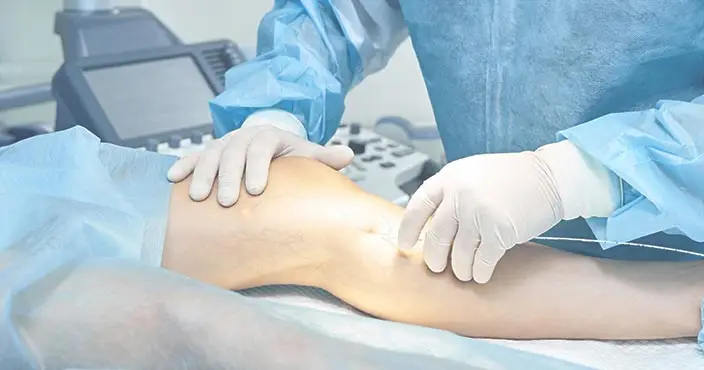
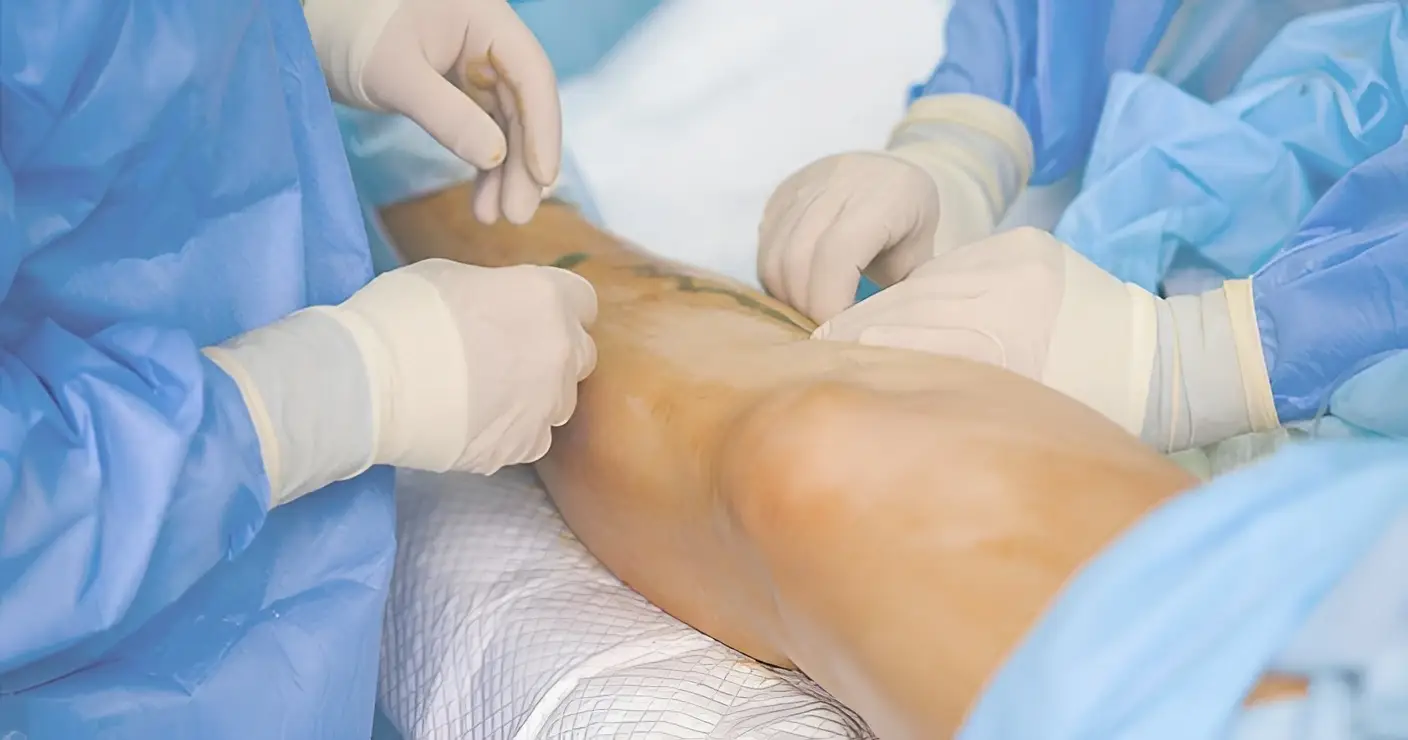
For the treatment of the saphenous vein, ablation by radiofrequency is a rapid and minimally invasive procedure. After making a tiny incision in the skin, a thin sheath and a radiofrequency catheter are inserted into the vein. The vein is heated and closed from the inside.
The procedure is performed under local anaesthetic similar to that used by dentists. This treatment takes less than an hour. Complications are rare and minimal, and recent studies report superior results with radiofrequency.
Anesthesia
- Local Anesthesia
Setting
- In-Clinic
- Insurance Note: Costs are not covered by RAMQ. Since coverage varies by insurance plan, we recommend checking with your provider to confirm your benefits.
Recovery: Return to work next day
Recovery: Return to work next day
Outpatient Phlebectomy
When the veins are too large for sclerotherapy, they can be removed, under local anaesthetic, through a tiny incision through which the dilated vein is pulled out with a special hook. The number of incisions required varies depending on the extent of the disease.
This technique can also be performed in conjunction with an endovenous radiofrequency ablation procedure for comprehensive treatment in a single visit.
Anesthesia
- Local Anesthesia
Setting
- In-Clinic
Echosclerosis
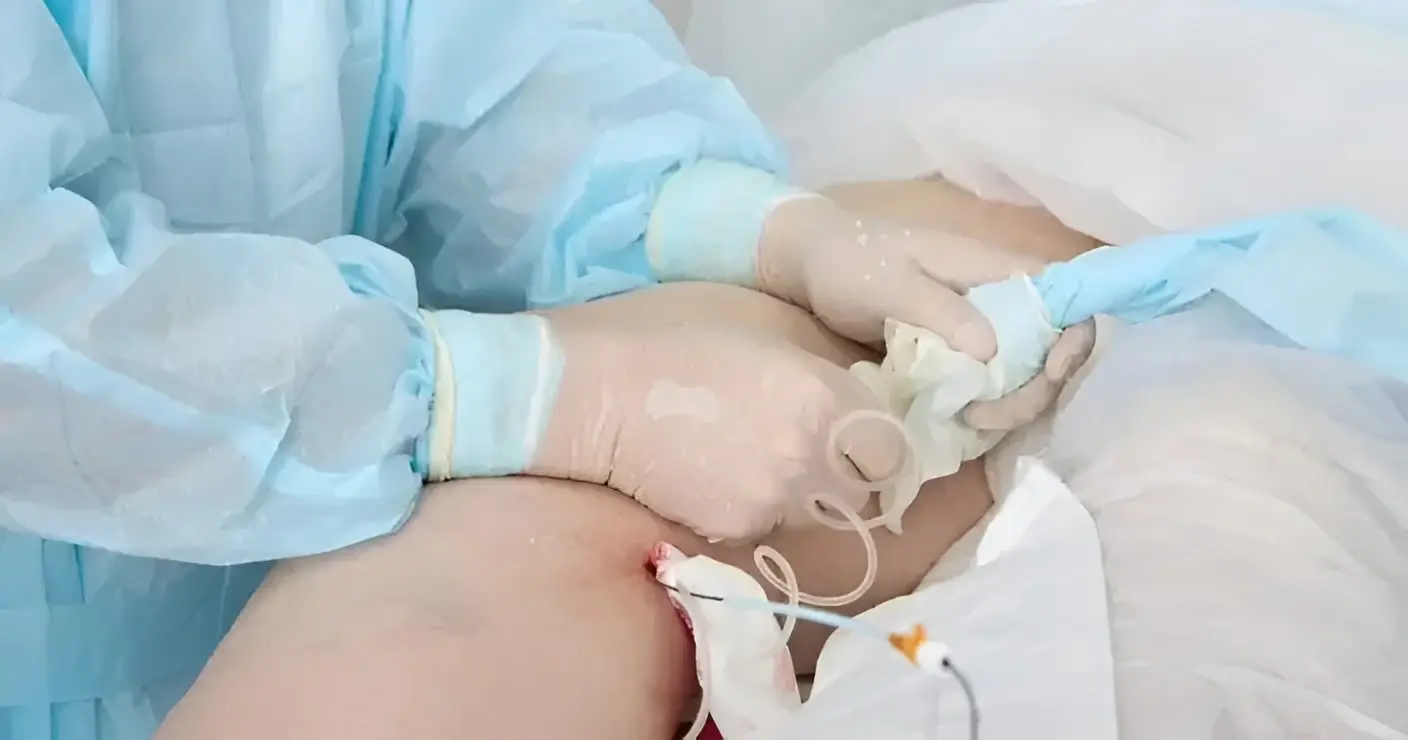
Under ultrasound guidance, Echosclerosis consists of injecting a liquid in the form of foam into the dilated vein in order to close it and make it disappear.
This technique is only used in very specific situations given its higher failure and recurrence rate compared to other modern methods like radiofrequency.
Anesthesia
- None required
Setting
- In-Clinic
Recovery: Immediate
Recovery: 3-4 weeks
Surgery (Stripping)
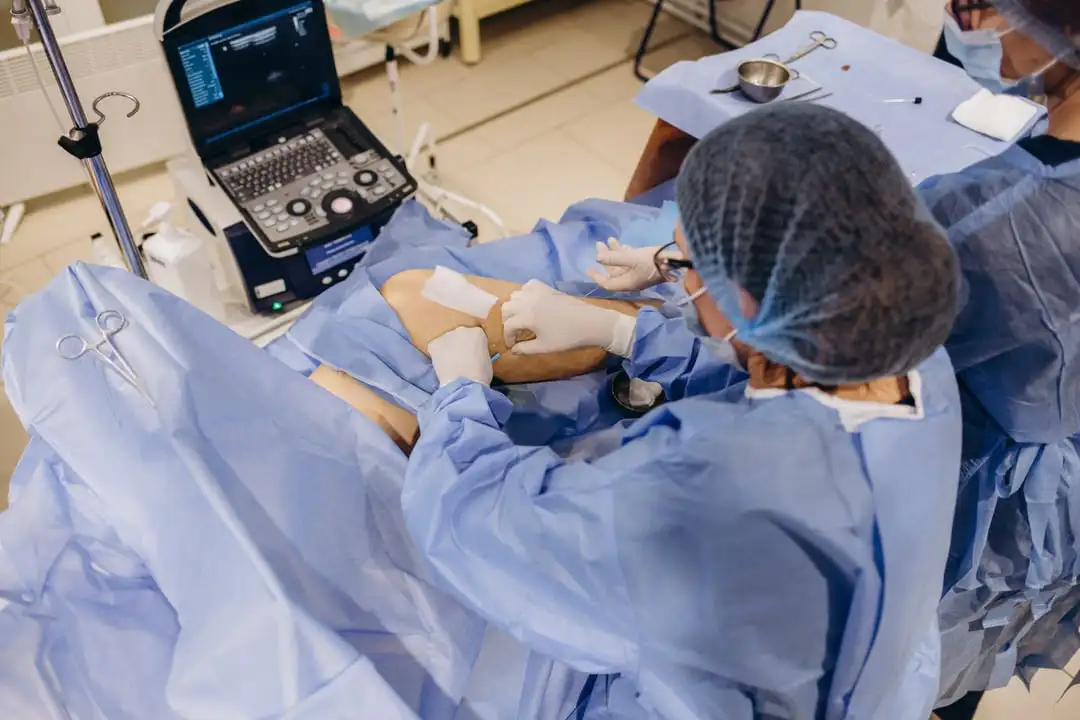
The classic procedure of treating varicose veins by surgery, called stripping, consists of removing the saphenous vein (superficial). To do this, an incision is made in the ankle or knee as well as in the fold of the groin.
This procedure must be performed in a hospital setting under regional or general anesthesia.
Anesthesia
- Regional / General
Setting
- Hospital
- Insurance Note: Covered by the Régie de l'assurance maladie du Québec (RAMQ).