Advanced. Minimally Invasive Vein Treatment
Endovenous radiofrequency ablation is a minimally invasive solution for treating varicose veins caused by saphenous vein insufficiency. Using controlled thermal energy delivered through a thin catheter, the affected vein is safely closed, allowing blood to reroute through healthier veins and improving circulation and leg comfort.
The procedure is performed under local anesthesia and offers a fast recovery with minimal risk of complications. Supported by clear post-treatment guidance and medical expertise, this treatment provides reliable, long-lasting results for improved venous health and quality of life.
About the Procedure
Radiofrequency Ablation targets the underlying cause of venous disease by closing malfunctioning veins that allow blood to pool in the legs.
45–60 minutes
Immediate
Local anesthesia
Minimally invasive
Conditions Treated with Radiofrequency Ablation
Chronic Venous Insufficiency
A condition in which damaged vein valves cause blood to flow backward and pool in the legs.
Large Varicose Veins
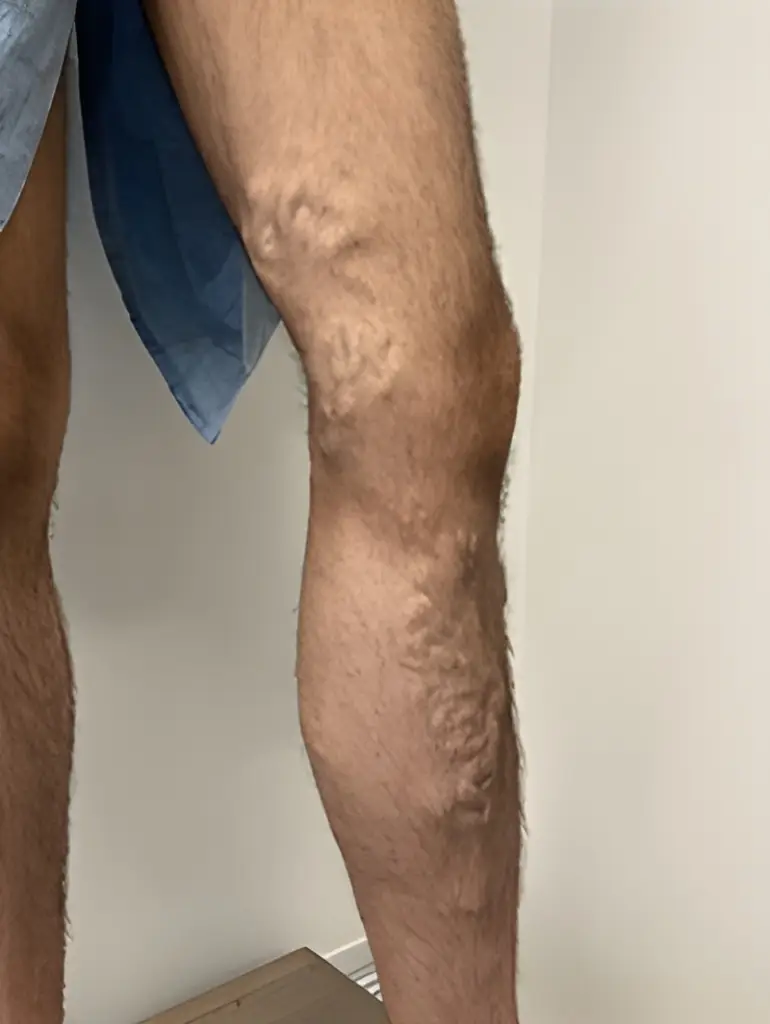
Bulging, twisted veins that cause discomfort, heaviness, swelling, or fatigue.
Venous Reflux
Abnormal backward blood flow in the veins that leads to worsening vein disease if left untreated.
What to Expect During Your Visit
A simple, transparent journey to better health.
A comprehensive medical assessment is performed, including Doppler ultrasound imaging to confirm venous reflux and plan treatment accurately.
A thin catheter is inserted into the affected vein under ultrasound guidance. After tumescent anesthesia, radiofrequency energy is then applied to gently heat and close the vein.
Compression stockings are recommended. Patients resume normal activities the next day.
Key Benefits of Radiofrequency Ablation

Booking a Radiofrequency Ablation Treatment is Quick and Simple
To schedule your Radiofrequency Ablation consultation or treatment, simply call your preferred clinic location. Our team will be happy to assist you and arrange your visit promptly.
450 259-1399
514 731-7757
Frequently Asked Questions
Why is a Doppler ultrasound needed for Radiofrequency Ablation?
Doppler ultrasound helps identify venous reflux and ensures precise, targeted treatment planning.
Is Radiofrequency Ablation painful?
How long does the procedure take?
RFA typically takes 45 to 60 minutes, depending on the number of veins treated.
When can I return to normal activities?
Most patients return to daily activities the same day. Walking is encouraged.
Is Radiofrequency Ablation safe?
Yes. Radiofrequency Ablation is a well-established, safe procedure with a high success rate when performed by trained medical professionals.
Will the treated vein come back?
Radiofrequency ablation is intended to permanently close the treated vein. In approximately 3% to 5% of cases, the vein may partially reopen over time. However, new veins may develop over time.
Are compression stockings required after treatment?
Compression stockings are recommended for a short period following treatment to support healing.
Is Radiofrequency Ablation covered by insurance?
Coverage varies by insurance plan. We recommend checking with your provider to confirm your benefits.